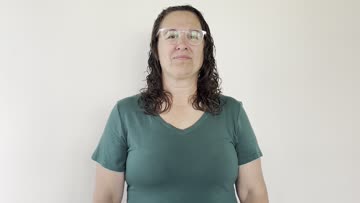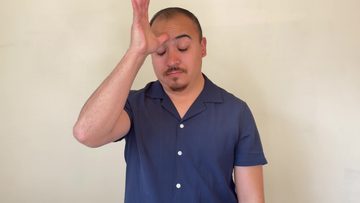
Babies understand language long before they can speak it. Their mouths and voices are not ready for words until well into the second year, but their hands are ready for simple signs months earlier. That gap is why signing with hearing babies became popular: a nine-month-old who cannot say "milk" can often sign it.
This post is for hearing parents who want to sign with a hearing baby, and for anyone curious about how it works. If your child is Deaf or hard of hearing, the advice is different and much more important: full ASL exposure from the start, ideally with Deaf adults and ASL-fluent early intervention. Ask your early intervention team about that specifically.
Use real ASL signs
There are products that teach made-up "baby signs." Skip them. Real ASL signs are just as easy for a baby, they are a real language that your child can keep using, and they connect your family to the Deaf community rather than to a product. Every sign below is the actual ASL sign.
The first signs
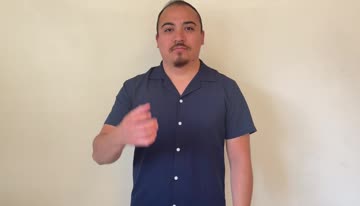
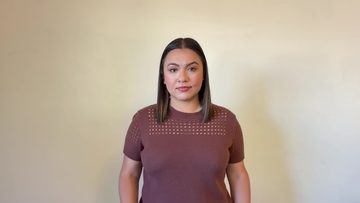
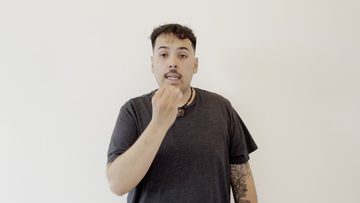
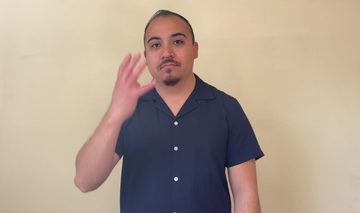
Milk is a squeezing fist, the most famous baby sign in the world. More brings two flattened O hands together at the fingertips. Eat brings a flattened O to the mouth. Drink tips a C hand to the mouth. Sleep draws an open hand down over the face as it closes. Water taps a W on the chin.
Start with milk, more, and eat. Those three cover the things a baby most wants to tell you about. Add the rest once those land.
When to start and when to expect signs back
Start whenever you like; many parents begin around six months, when babies start to track hands with interest. Most babies produce their first sign somewhere between eight and twelve months, though it varies a lot. Their first signs will be approximate: a milk sign may be an open-and-close hand anywhere in front of them. Reward the attempt the way you would reward a first "mama."
How to teach a sign
Sign the word every time you say it, in context, at the moment it matters. Say "milk" and sign Milk as you offer the bottle. Say "more?" and sign More when the bowl is empty. Say "all done" and sign it when you take the tray away.
Consistency beats volume. Three signs used every single time will come back to you faster than twenty signs used occasionally.
The family set
Mother and Father let your baby name you. Baby is rocking your arms. Please and Thank You are manners, and toddlers who sign them tend to say them early too.
Does signing delay speech?
No. The research consistently finds that signing with hearing babies does not delay spoken language, and some studies suggest a modest early boost in vocabulary and a reduction in frustration, because the child can communicate before speech. The clearest benefit most parents report is practical: fewer meltdowns when a one-year-old can tell you they want more instead of screaming.
Keep going after they talk
Many families drop signing the moment the child speaks. You do not have to. A child who keeps signing has a second language with a real community behind it, and you have a quiet way to communicate across a loud room, through a car window, or at a distance. Our first 50 signs is a good next set for a toddler and a parent to learn together.
A note on respect
ASL belongs to the Deaf community. Using it with your hearing baby is welcome, and Deaf educators have long supported it, but the signs are a language, not a trick. Teach them as words, say "that's the ASL sign for milk," and when your child is old enough, tell them where it comes from.